


Mixed fortunes for seabirds in Britain’s new census results
Coordinated by The Joint Nature Conservation Committee (JNCC) Britain counted its seabirds. The survey reveals that almost half of seabird species that breed in Britain, Ireland, Isle of Man and the Channel Isles have declined over the past twenty years, whilst just five have clearly increased.
The causes of decline vary between species and regions, but are likely linked to: predation, adverse weather conditions, which may be a result of climate change, and lack of food as a result of both climate change and fisheries. However, thanks to successful conservation interventions such as predator eradication programmes and site protection, some species have increased at some sites.
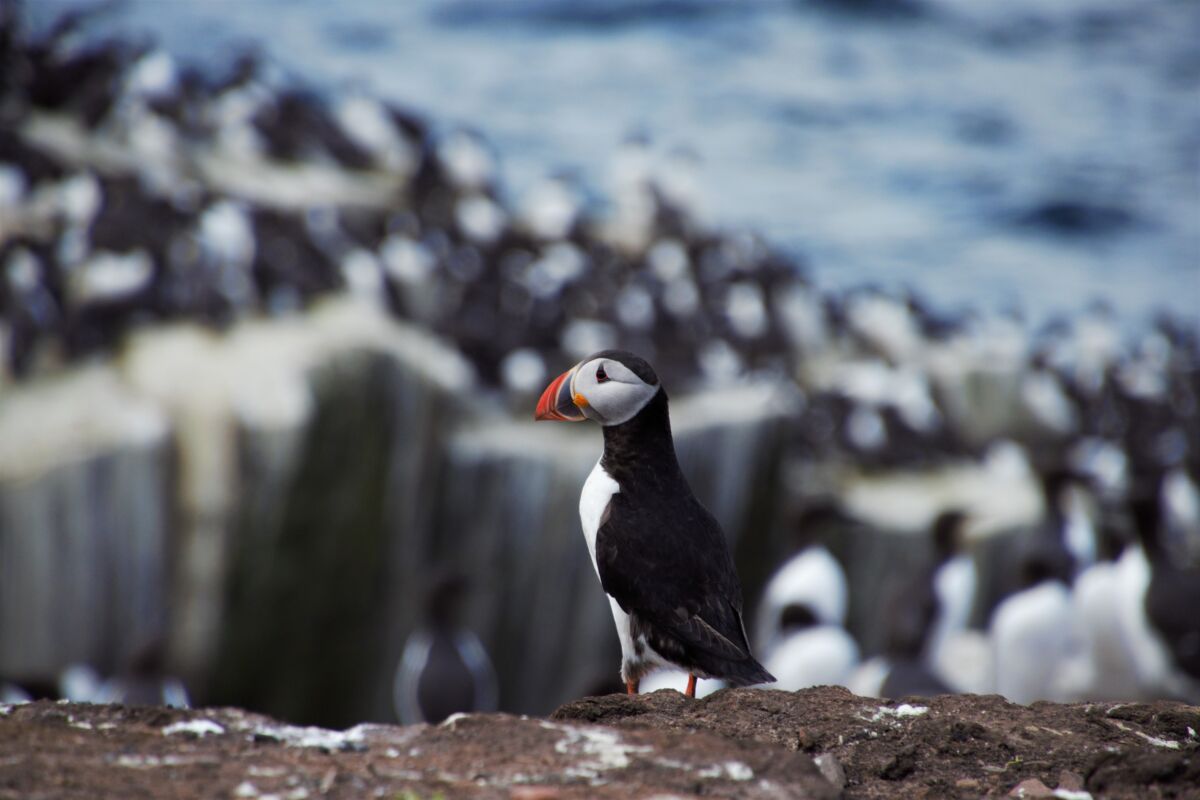
International importance of Britain’s seabird populations
Seabirds Count, released as a book by wildlife publishers Lynx Edicions, is the most comprehensive seabird census completed to date. It provides population estimates for the 25 regularly breeding species of Britain, Ireland, Isle of Man and the Channel Islands.
Britain and Ireland hold most of the world’s nesting Manx Shearwaters, Northern Gannets and Great Skuas. A further two species have over half of the North Atlantic population breeding here: Lesser Black-backed Gull and Common Guillemot. In addition to these, five species have over 30% of their North Atlantic population breeding in Britain and Ireland. These are European Storm-petrel, European Shag, Herring Gull, Roseate Tern and Razorbill.


Seabirds Count – the Census findings
The survey took place between 2015 and 2021 and was led by the Joint Nature Conservation Committee (JNCC). Key partners are Birdwatch Ireland, JNCC, the National Parks and Wildlife Service (Ireland), and the RSPB.
The census results show that 11 of the 21 seabird species, where there is confidence in their trends, have declined since the last census in 1998-2002.

Five species have remained stable whilst five have increased, with some of those increases linked to targeted conservation work. The remaining four species of the 25 surveyed, have up to date breeding population estimates. But due to survey method changes and improvements these cannot be confidently compared with previous estimates.
The results also differ significantly by region or country.
Seabird Count shows that Scotland has the most number of species in decline (14 out of the 20 where trends are known), but still remains an important stronghold for Britain and Ireland’s seabirds with 51% of the total population.


The results in England are mixed, with eight species increasing, six declining and five stable. Seabirds are doing well in the Republic of Ireland with 15 species increasing and only two declining. In Wales, 11 species are increasing whilst six are declining. In Northern Ireland, four species are declining, six are stable and seven are increasing.
The main drivers for declining populations
The main drivers for declining populations vary between species and even location, however there are some common themes. Predation is a common problem. Eggs, chicks and adults can be eaten by native and invasive predators. These may have been released onto seabird colony islands or, in the case of Brown Rats or American Mink, may have stowed away on boats.


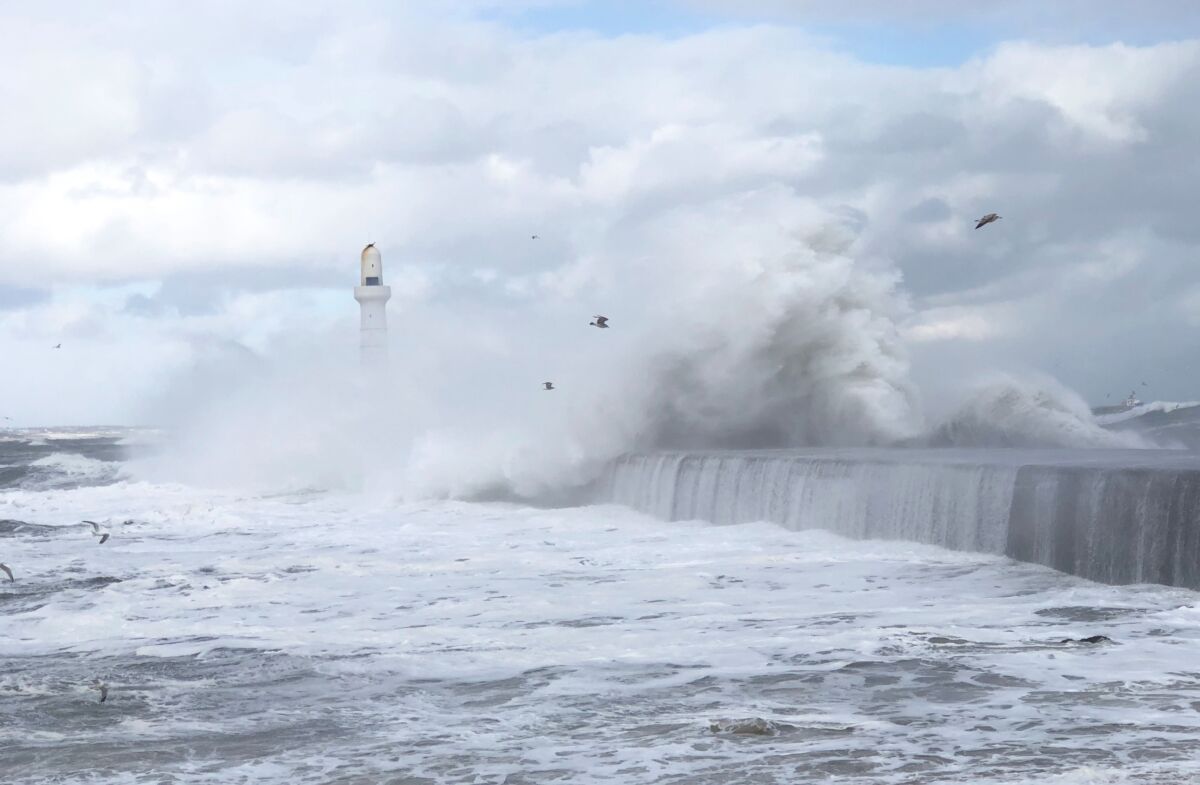
Climate change is another important factor. Adverse weather conditions are causing nest sites to be swept away and making foraging conditions more difficult. Increased water temperatures reduce the availability of important food such as sandeels. This leads to seabird parents not finding enough food. Fish stock depletion by commercial fisheries exacerbates the problem. This means that there’s not enough food to go around during the important breeding season.
Common Gull
Common Gull numbers have decreased by 49% since the last survey in 2000. The biggest drivers of change for this species are predation and changes in land use. The latter causes degradation or loss of nesting habitat, along with food availability for coastal nesting birds. Scotland, followed by Ireland, hosts the largest proportion of the British and Irish populations, which represents about 5% of the North Atlantic total.
This dramatic change in status has only come to light thanks to this survey. It shows both a major decline and changes in distribution. Almost half of the population breeds inland, mainly in Scotland and Ireland. The Common Gull is a poorly studied species. But given the significant declines in its population over the past 20 years more research on drivers of change would be timely.

Atlantic Puffin
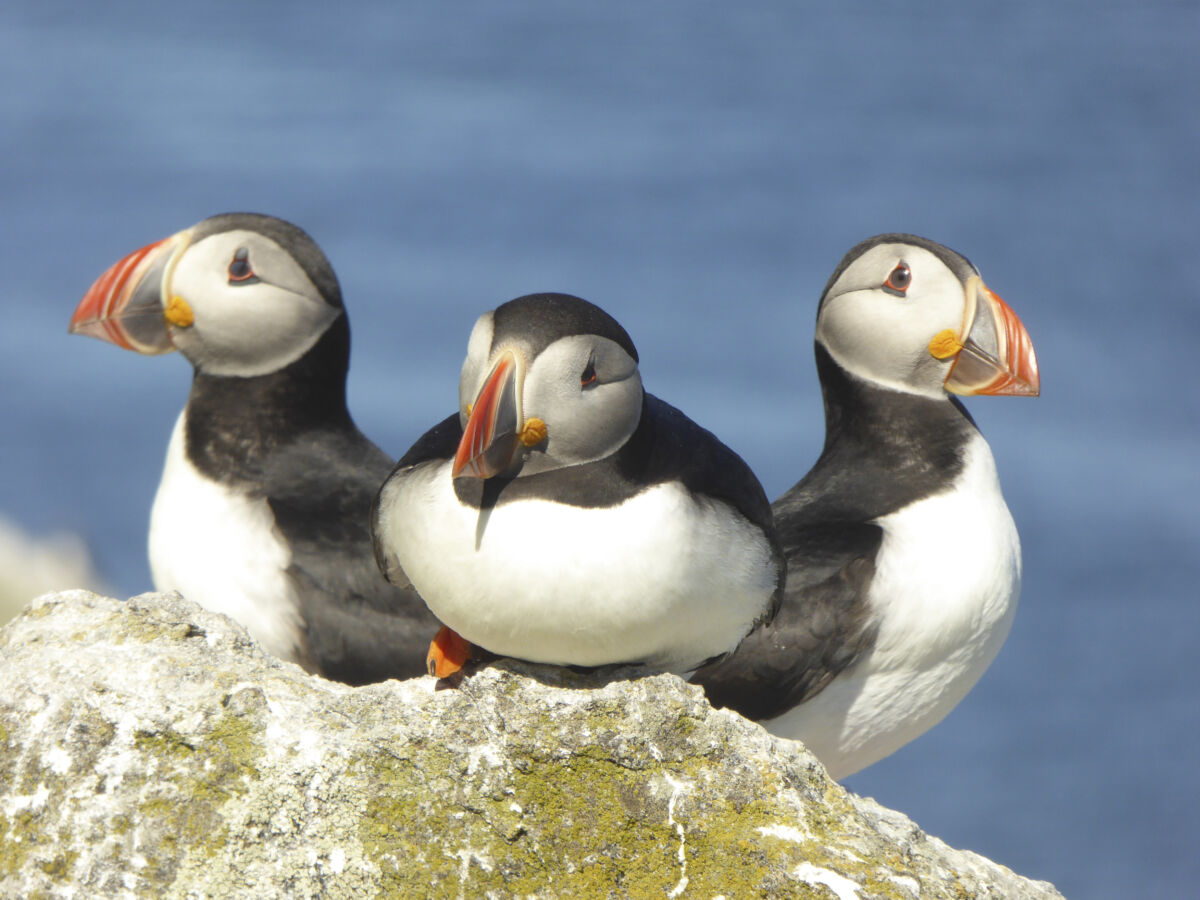
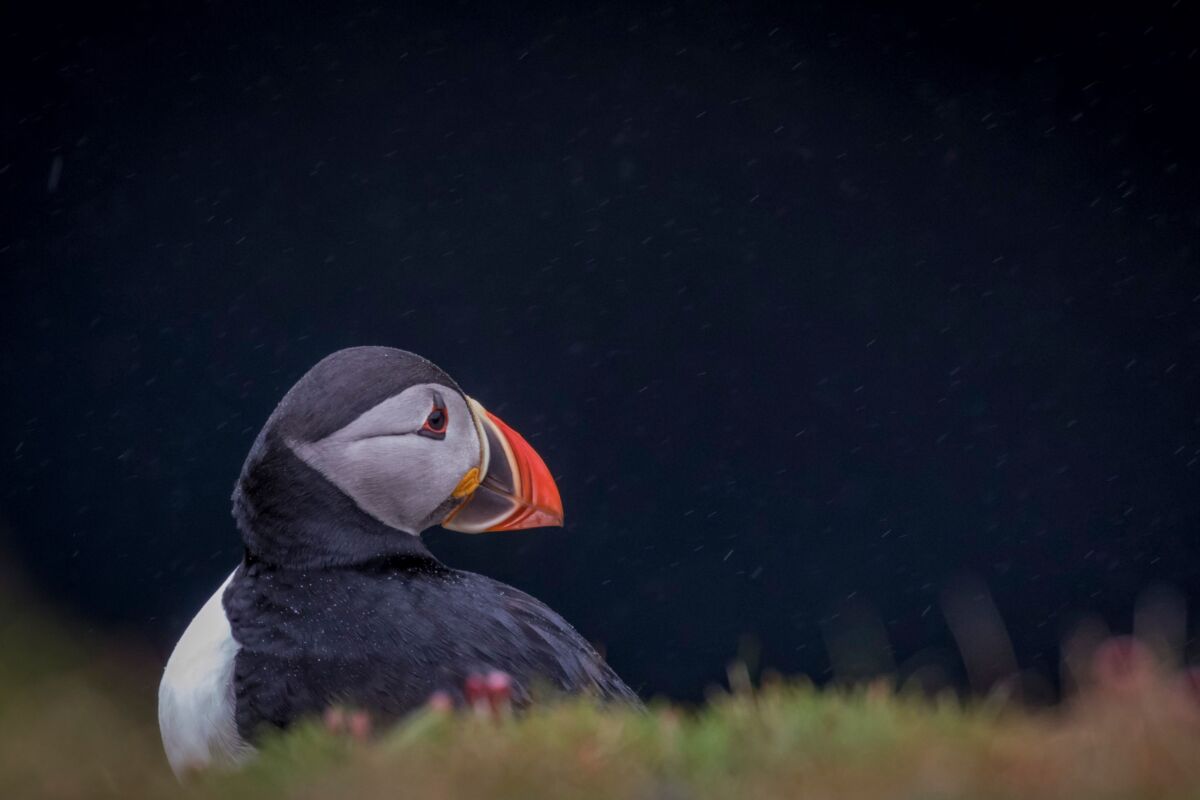
Seabirds Count is a departure from the generally positive population status reported in the past three censuses. Numbers have declined at the majority of sites surveyed in this census, and just a few sites showing an increase in population. The reasons why Atlantic Puffin populations are declining at most sites and increasing at others is unclear. Globally, Atlantic Puffins are considered to be vulnerable to extinction. Britain and Ireland holds around 8% of the global population. Measures are needed to support populations and to actively prioritise their conservation.
Roseate Tern
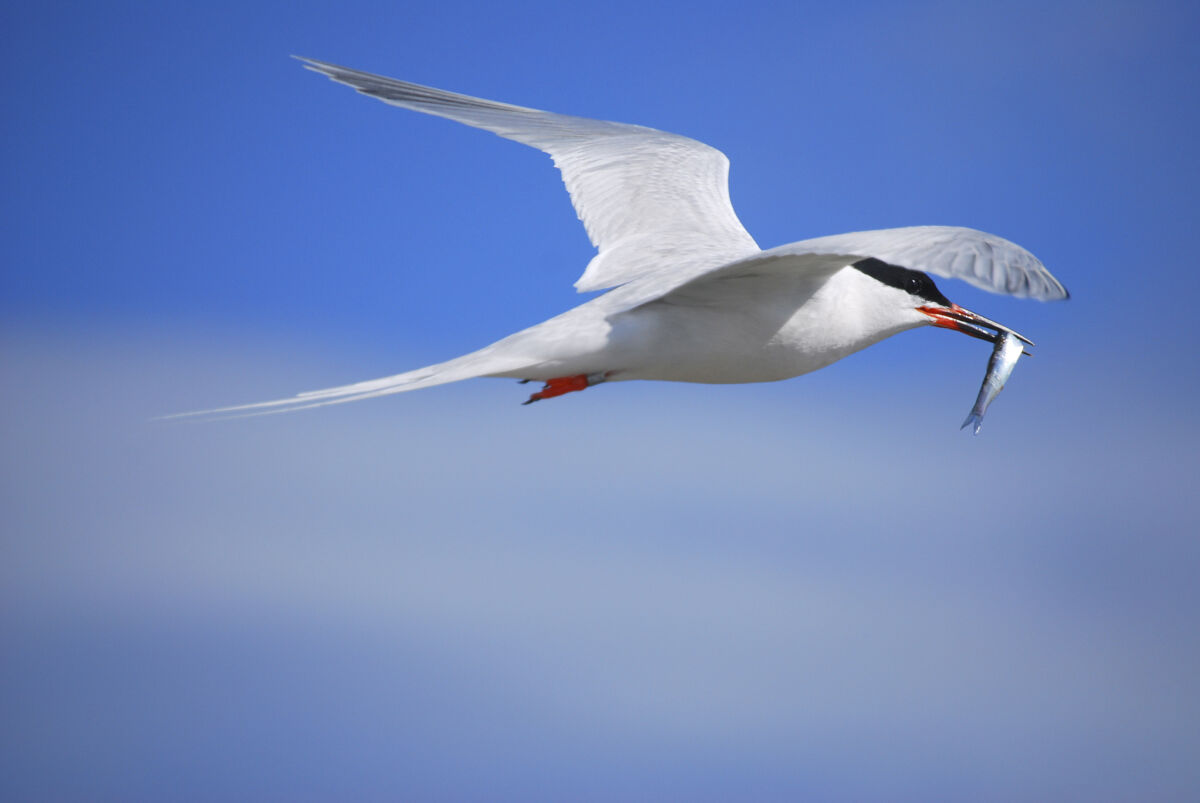
The Roseate Tern has benefited from successful intervention.
Driven to the brink of extinction due to the use of their feathers for the hat trade during the 19th century, the Roseate Tern population recovered through protective legislation and management.

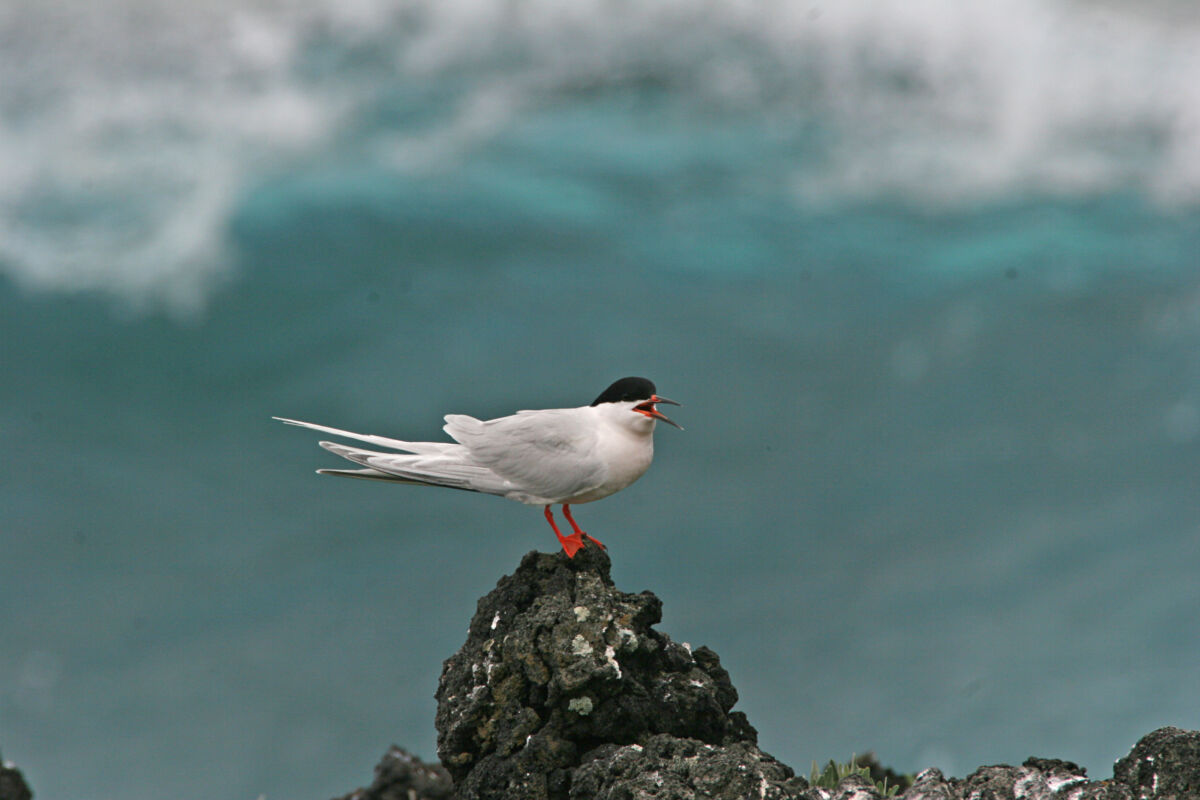
Despite this, their numbers dropped again after the 1960s. Thanks to protection of their nest sites and ongoing measures to reduce predation by non-native species, numbers have increased by 152% since the last census. However, the Roseate Tern remains one of our rarest seabirds at an estimated 2,000 pairs confined to a few colonies around these islands. And in the last two years these colonies have been severely impacted by Highly Pathogenic Avian Influenza (HPAI).

Seabirds Count couldn’t have come at a more crucial time
“Loss of biodiversity is weakening the ability of the marine environment to withstand disturbance, adapt to and mitigate against the impacts of climate change and is affecting the ability of our seas to supply critical services for society. Seabirds are sentinels for the health of marine ecosystems, highlighting action that needs to be taken to recover the marine environment. The results of Seabirds Count help us understand the main drivers of seabird population change, providing the building blocks for decades of future seabird conservation and recovery. I am very grateful to everyone involved in this seminal publication for their generous contribution to nature recovery,” commented Dr Gemma Harper OBE, Chief Executive of JNCC.
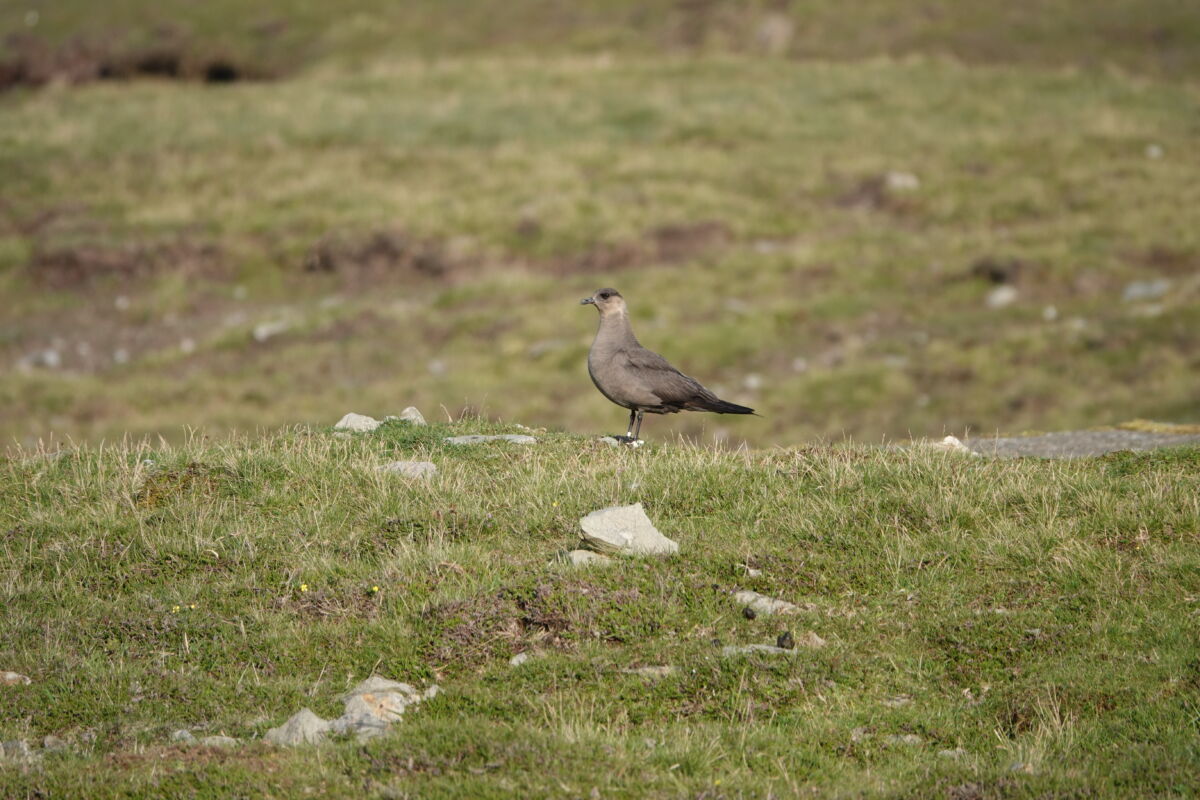

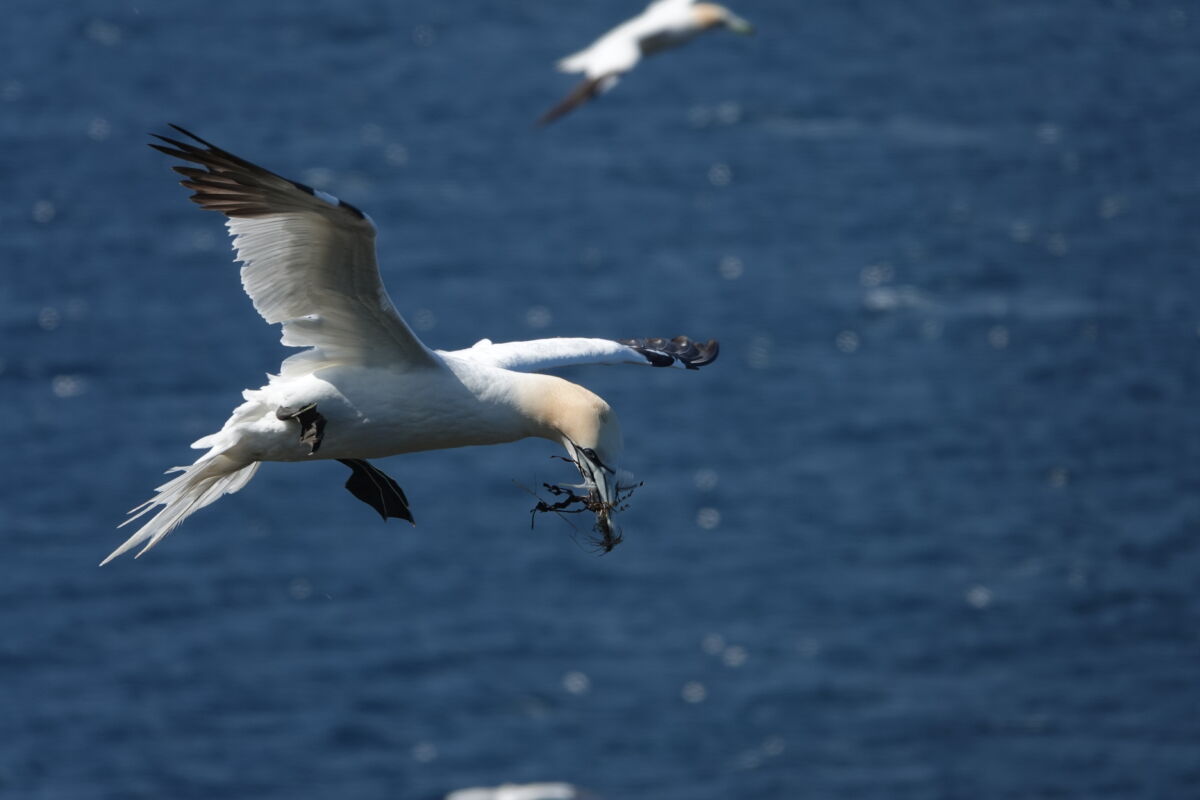
Since the census was completed, Britain and Ireland have experienced a severe outbreak of HPAI in their seabird colonies. High mortality has been seen in several previously increasing seabird species such as Great Skuas, Northern Gannets and Roseate Terns. But the overall impact on populations is yet to be estimated and we await analysis by the RSPB of new data from 2023. The results of the census come at a critical time. They create a baseline for conservationists to better understand the continuing impacts of HPAI, as well as being able to prioritise and measure the effectiveness of conservation actions in the seabird colonies.

„Seabirds Count couldn’t have come at a more crucial time. For decades, our seabird populations have been battered by the impact of humans, from the introduction of predators to islands that destroy nests and chicks, to the increasing effects of climate change that are impacting the availability of their food such as sandeels. The evidence shows that conservation efforts and smart policies do work, and help increase the resilience of our seabirds to better weather whatever new storm is on the horizon. It is now up to us to protect these amazing birds for future generations.” commented Beccy Speight of the RSPB
Background on Seabirds Count is available at: https://jncc.gov.uk/our-work/seabirds-count/
Text and images courtesy of RSPB
Scroll down for comments!
Dear reader,
Donate to save wildlife! CENWEB not only shares fresh and interesting ecological news, but also helps to create reserves, and has created its own reserve, where more than 800 animal and plant species are sheltered (HERE). With your support you are helping both the unbiased flow of information and the reserve. Thank you in advance for your help, in the hope that we can be allies. Best wishes from the CENWEB team.
If you have any questions, you can reach us at hello@centauriweb.hu.