

Germany has more white storks than a century ago
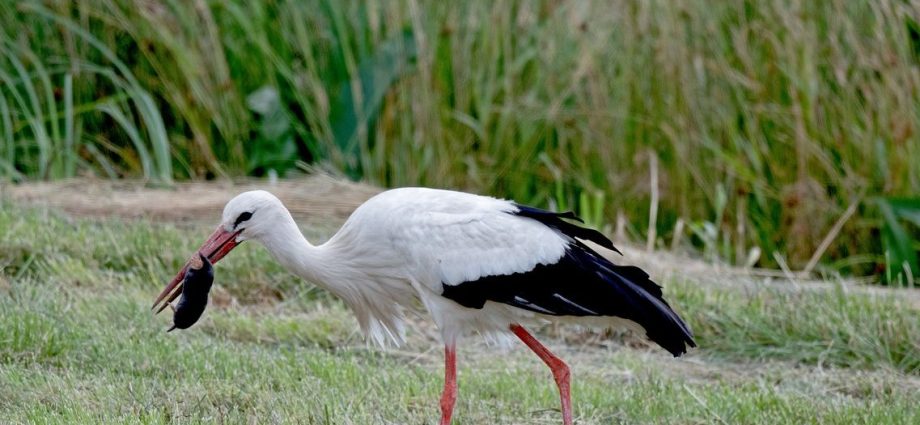
Germany is home to more breeding white storks than ever recorded. For the current season, NABU expects more than 15,000 breeding pairs across the country.
“Unlike many other species, the white stork is now in a favourable conservation status,” says Bernd Petri from NABU’s national white stork working group. For a long time, the white stork was considered a species of concern. In the 1980s, populations in both German states fell below 3,000 pairs, and in many regions storks had disappeared completely. The birds were particularly affected by food shortages caused by intensified agriculture, wetland drainage and dangers along their migration routes. Conservation measures such as rewetting and grassland management tailored to the needs of white storks helped reverse the decline.
Shorter journeys save energy
However, most of the recovery is thanks to the storks’ ability to adapt.
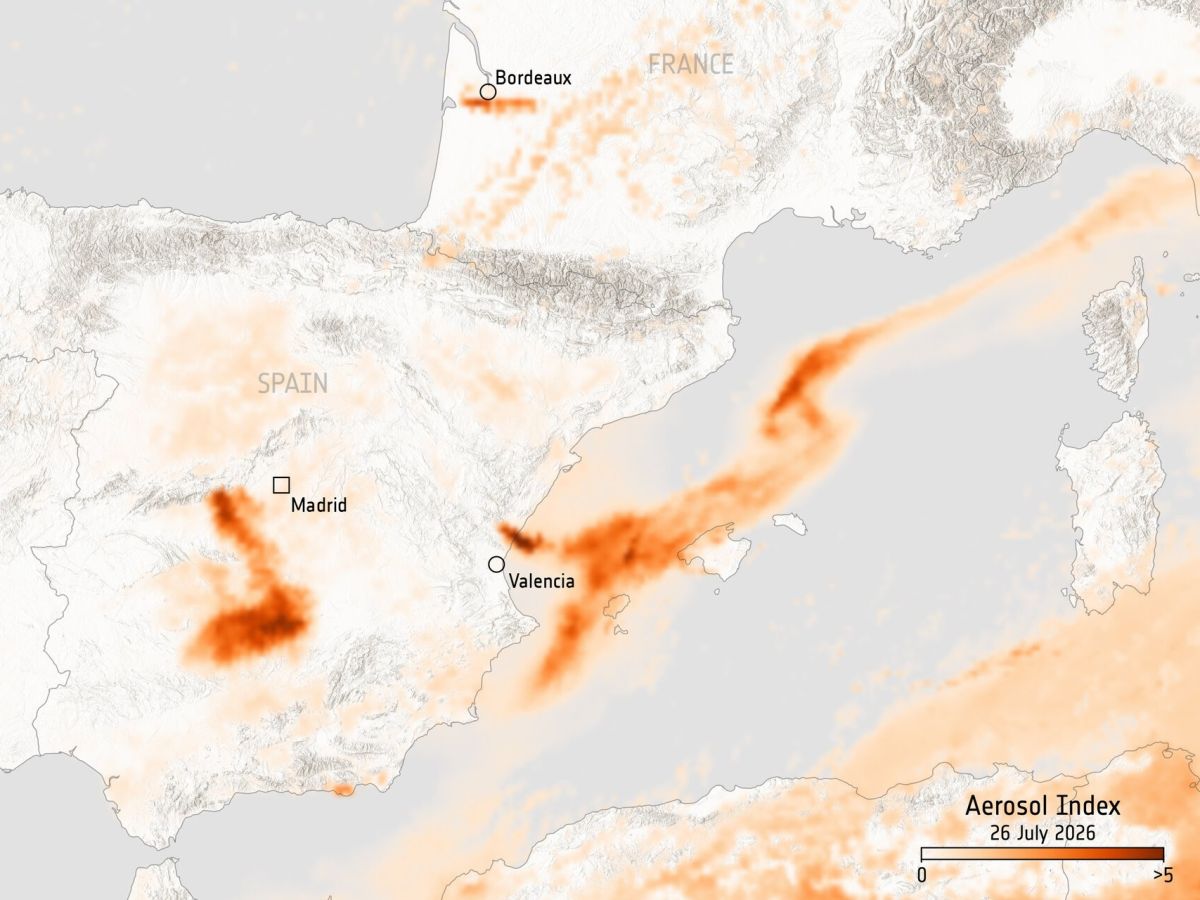
“Everyone knows that all our white storks fly to Africa in autumn. But that is no longer true,” explains Petri. “A so-called migration divide runs through Germany. East of this divide, storks still migrate in winter via the Balkans and the Middle East to Africa, as they always have. West of the divide, however, they now only travel as far as Spain. On rice fields and landfill sites, the storks find plenty of food and save themselves the flight across the Strait of Gibraltar to North and West Africa.”
The shorter migration route is a major advantage. Survival rates increase, and storks migrating westwards return earlier and in better condition.
“Thirty years ago, three quarters of our storks migrated eastwards; today the ratio is reversed: three quarters migrate westwards. Roughly speaking, the centre of the white stork population has shifted from the Elbe to the Rhine,” says Petri.
The white stork breeds in all 16 German states. While Mecklenburg-Western Pomerania and Brandenburg were long the regions with the highest numbers of storks, today Lower Saxony and Baden-Württemberg have the largest populations. The highest density of storks is found in Hesse.
Young storks explore the world
Young storks are already good flyers, but they still need to practise landing safely. As a result, accidents occur more frequently during this period. They also need to learn how to successfully hunt for worms, grasshoppers, frogs and mice.
“Life outside the parental nest is full of dangers,” explains Bernd Petri. “If one in four of the young storks that are leaving the nest now manages to return safely from the south next spring, that is already considered a good result.”
Before beginning their migration, whether short or long, the birds gather in larger resting groups. At this time of year, they can be seen standing together on meadows and harvested fields. The first departures begin in early August, with the young birds setting off first. The adult storks are still recovering from the exhausting breeding season and often weigh less than their offspring. They first rebuild their energy reserves before heading south later.
Thank you for sharing this article! For comments, please scroll down below the related articles! | SUBSCRIBE TO OUR FREE NEWSLETTER HERE ✉️ | Cover image: Pexels

Dear reader,
join the Club HERE to access all exclusive supporter-only content! You can also make a one-time donation via PayPal (just click the small button!). [paypal-donation]
If you would like to support CenWeb and the reserve in another way, please email us at centauri16@gmail.com. We greatly appreciate your support!
Explore more on CenWeb